




The Route a Same-Day Vape Parcel Takes Across Singapore
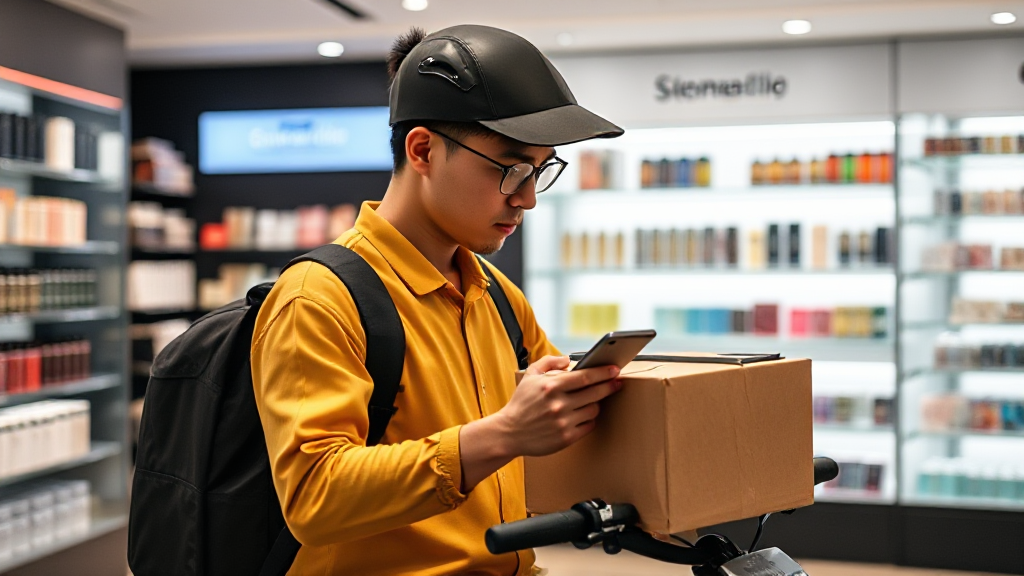
At a pickup point in an industrial building in Ubi, a rider in a plain black shirt checks an address on a phone screen and slides a small, padded parcel into a thermal bag. The parcel is roughly the size of a paperback. It contains a disposable vape device, wrapped in bubble film, sealed in a matte grey mailer with no branding on the outside. Within a minute the rider is on the road, merging into the evening traffic along Eunos Link. The question every buyer asks — why did one order arrive in an hour while another took four — is answered almost entirely by what happens next, on the road.
Speed in Singapore’s same-day vape market is not a matter of motorcycles being fast. It is a matter of route density: how many parcels a rider can carry that share a similar direction, and how many other riders are already positioned near the pickup point. This is why Vape delivery sg operations plan around zones rather than individual orders, and why the difference between a one-hour delivery and a four-hour delivery is usually decided before the rider even leaves the warehouse.
The pickup point: where every route begins
Most same-day vape deliveries in Singapore do not start from a retail storefront. They start from a small fulfilment room with shelving, a packing table, and a stack of unbranded mailers. Local stock sits on those shelves — Elfbar devices, replacement pods, and disposable models like the Elf Bar S1 15000 and Elf Bar Ice King Pro 45k — because the entire promise of same-day delivery collapses if the item has to be ordered from overseas first. A rider cannot pick up what is not physically there.
The pickup itself is short. The rider confirms the order number, checks that the parcel matches the address, and notes the postal code. Postal codes are the real routing language here. A six-digit code tells the rider not just where the destination is, but roughly how long the last kilometre will take, whether there is a lift lobby to navigate, and whether parking will eat five minutes or fifteen. Experienced riders group pickups by region before they leave: three parcels for the east, two for the north, one outlier for the west that will be handled last or passed to another rider.
This grouping is the first filter on delivery speed. An order placed at 2pm in a zone where a rider is already collecting may leave the shelf within ten minutes. The same order placed in a zone with no scheduled pickup may wait until a rider’s route naturally swings that way. Nothing about the parcel changed — only its position in the route did.
On the road: how Singapore’s geography shapes delivery time
Singapore is small, but small does not mean fast. The island’s road network funnels traffic through a limited number of expressways and arterial roads, and the difference between a 12-kilometre trip at 11am and the same trip at 6pm can be forty minutes. Riders learn to think in corridors rather than straight lines: the PIE, the CTE, the AYE, and the smaller arterials like Jalan Eunos, Bukit Timah Road and Upper Thomson Road that connect residential estates to the expressway spine.
A parcel heading from an eastern pickup point to a customer in Tampines might travel less than ten kilometres and arrive in twenty minutes. A parcel heading to Jurong from the same pickup point covers closer to twenty-five kilometres and crosses at least two congestion pinch points. Distance matters, but direction matters more. Two deliveries in Punggol and Sengkang can be done in the time it takes to complete one delivery in Clementi, simply because the first two sit on the same corridor.
This is where lana vape sg routing differs from a generic courier model. A general courier may accept a parcel regardless of where it is going and simply add it to tomorrow’s run. A vape-focused operation has to weigh perishability of the promise — the customer expects same-day, often within hours — against the reality that a single far-flung address can delay every other parcel on the bike.
Weather adds a second layer. Afternoon thunderstorms in Singapore are predictable in season but unpredictable in timing. A rider caught in a downpour on the CTE loses time not just to the rain but to the caution it forces: slower lane changes, longer braking distances, and the risk of water damage to a parcel that must arrive intact. Discreet packaging helps here — a sealed, unbranded mailer survives a wet bag far better than a paper envelope with a logo on it. Singapore vape delivery
Density: the real reason one order beats another
If you strip away the variables — traffic, weather, building access — one factor explains most of the speed gap between orders: route density. Density is simply the number of deliveries a rider can complete per kilometre travelled. A rider with six parcels clustered across Bedok, Simei and Tampines has high density. A rider with two parcels in Woodlands and one in Pasir Ris has low density, and the low-density route will always be slower per parcel, no matter how fast the bike is.
This is why Singapore lana vape customers in dense residential zones often see the fastest delivery times, while customers in more spread-out areas see longer windows. It is not favouritism. It is geometry. A rider can only carry so many parcels, and every kilometre spent travelling to a low-density destination is a kilometre not spent completing another delivery.
Operations respond to this in a few practical ways. They batch orders by region and dispatch in waves rather than one at a time. They keep riders positioned near high-demand zones rather than at a central depot. They set realistic windows — one hour for dense zones, two to four hours for outlying areas — instead of promising a single flat time island-wide. And they prioritise Lana vape same day delivery for orders placed early in a delivery wave, because an order that joins a route already in progress costs almost nothing in extra distance, while an order that requires a dedicated trip costs the full round journey.
From rider to doorstep: the last kilometre
The final kilometre is where most delivery estimates quietly fall apart. A rider arriving at a condominium in Novena may spend ten minutes waiting for lift access, finding the correct tower, and navigating a security desk that requires a call to the unit. A rider arriving at an HDB block in Ang Mo Kio may be at the door in ninety seconds. Two addresses a few kilometres apart can differ by eight minutes of pure building logistics.
This is also where discreet packaging earns its place. A parcel that looks like any other grey mailer attracts no attention in a lift lobby, a void deck or a reception desk. The recipient does not have to explain what is inside, and the rider does not have to answer questions. For customers who value privacy as much as speed, the packaging is part of the delivery experience, not an afterthought.
Once the parcel changes hands, the route ends — but the data does not. Delivery timestamps, postal codes and completion times feed back into the next day’s planning. A zone that consistently produces slow last-kilometre times gets more buffer in its window. A zone that consistently delivers fast gets tighter promises. Over time, this is how a Sg vape shop delivery network learns the actual shape of the city rather than the map’s version of it.
For buyers, the practical takeaway is simple: the speed of your order is mostly decided by where you are relative to where the stock already sits, and how many other orders are heading the same way. If you are in a dense zone and order early in a delivery wave, you are effectively riding along with everyone else’s parcels. If you are in a low-density zone and order late, you are paying for a dedicated trip in time rather than money.
What the route tells you about choosing a delivery service
Understanding the route changes how you evaluate a delivery promise. A service that advertises “same-day island-wide” without zone-based windows is either overpromising or quietly deprioritising far-flung addresses. A service that keeps local stock and dispatches in regional waves is doing the unglamorous work that actually produces one-hour deliveries in the east and two-hour deliveries in the north.
When you place an order, a few things genuinely affect your outcome: order early in the day, order within a dense delivery zone if you can, keep your address details exact including unit number and access instructions, and choose a service that holds real local inventory rather than dropshipping from overseas. None of these are secrets — they are just the visible edge of a routing system doing its job.
The rider in Ubi has by now cleared Eunos Link, dropped two parcels in Bedok, and is heading toward Tampines with one left in the bag. The whole trip will take under an hour because three addresses shared a corridor. Tomorrow, a parcel going the other way will take three times as long for exactly the same reason, in reverse. That is the route a same-day vape parcel takes across Singapore — and once you see it, delivery estimates stop looking random and start looking like arithmetic.